A clearer sort begins with a coordinated system. Travel through the components that turn a moving stream of material into a controlled separation.
Scroll to look inside
00 / INSIDE THE PROCESS
Every part has a purpose.
Scroll to uncover the feed path, inspection area and separation system. Watch the components come together as you explore.
01 / MATERIAL HANDLING
A better sortstarts with the feed.
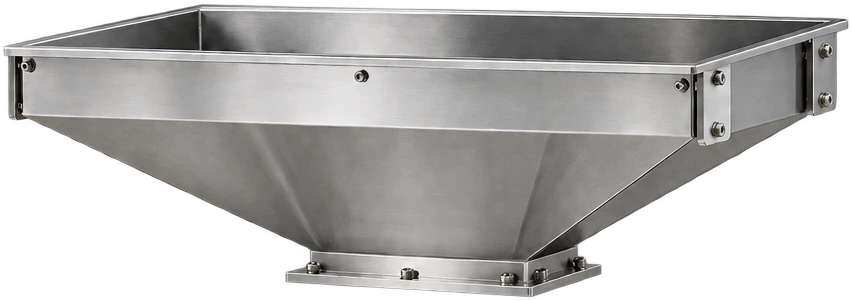
The hopper introduces material into the sorting path. A controlled feed helps create a stream the inspection system can evaluate consistently.
Keep scrolling to connect the system
01 / INSIDE THE PROCESS
Give every item a clear path.
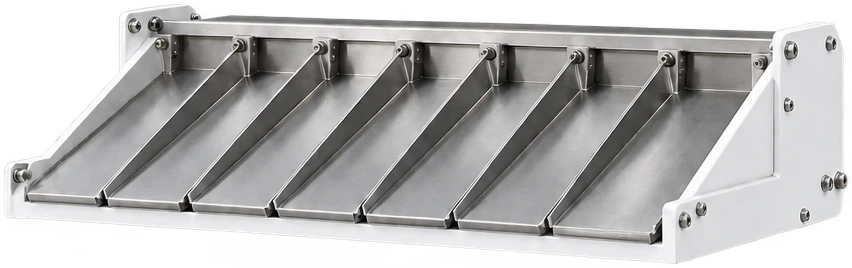
Feed rate, material size and handling conditions influence how material reaches the inspection area. The chute guides that movement through the machine.
02 / THE INSPECTION ENVIRONMENT
Make thedifference visible.
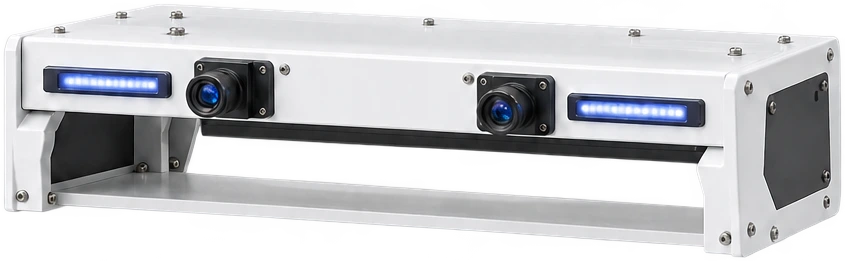
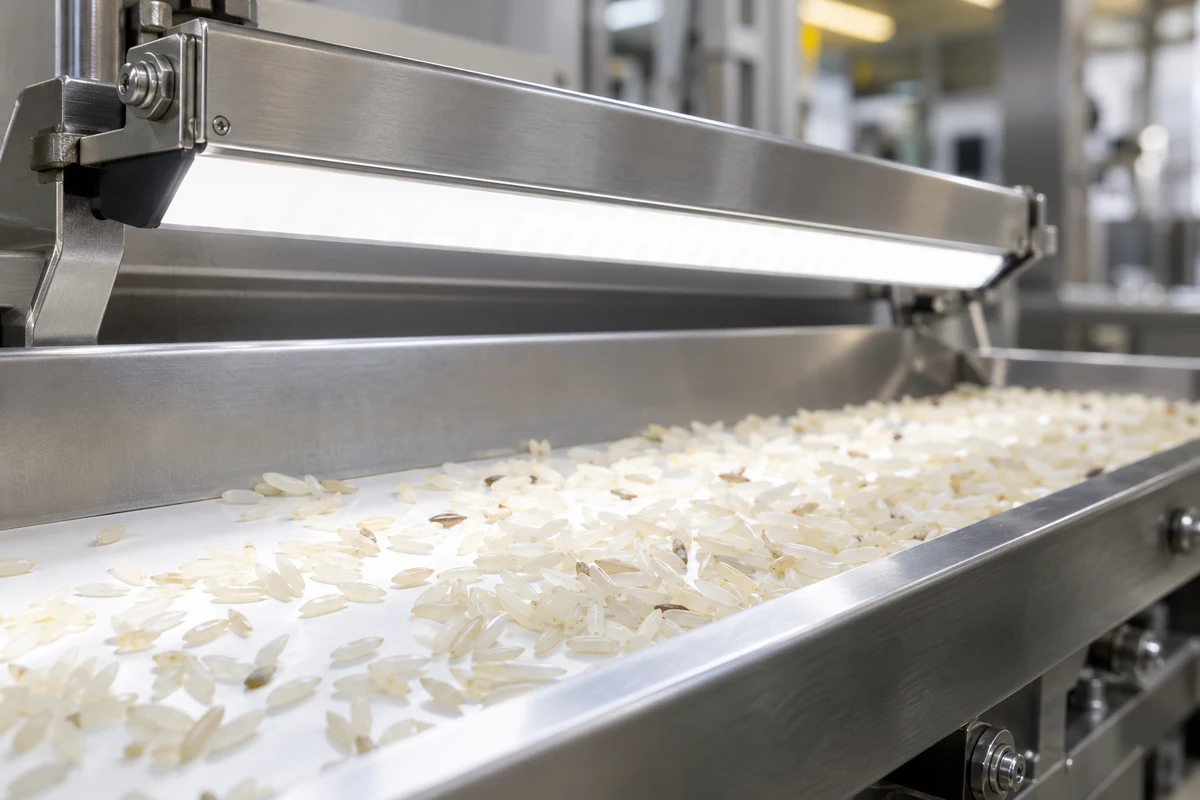
Controlled illumination supports a consistent view as material moves through the inspection area. The lighting and feed path work together before a sorting decision is made.
Keep scrolling to connect the system
02 / INSIDE THE PROCESS
Consistency begins with the view.
Illumination helps the camera distinguish visible surface characteristics. Lighting arrangements and inspection options depend on the selected machine configuration.
03 / CAMERA-BASED INSPECTION
See whatbelongs in the batch.
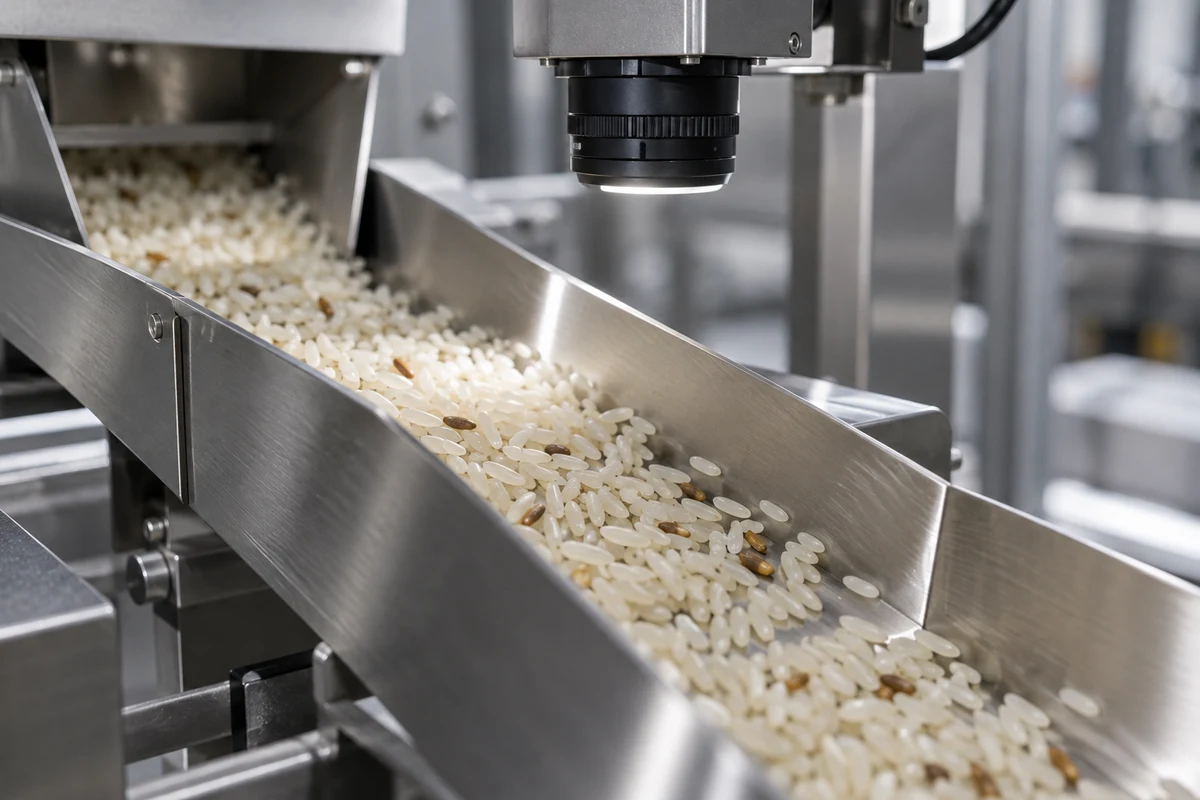
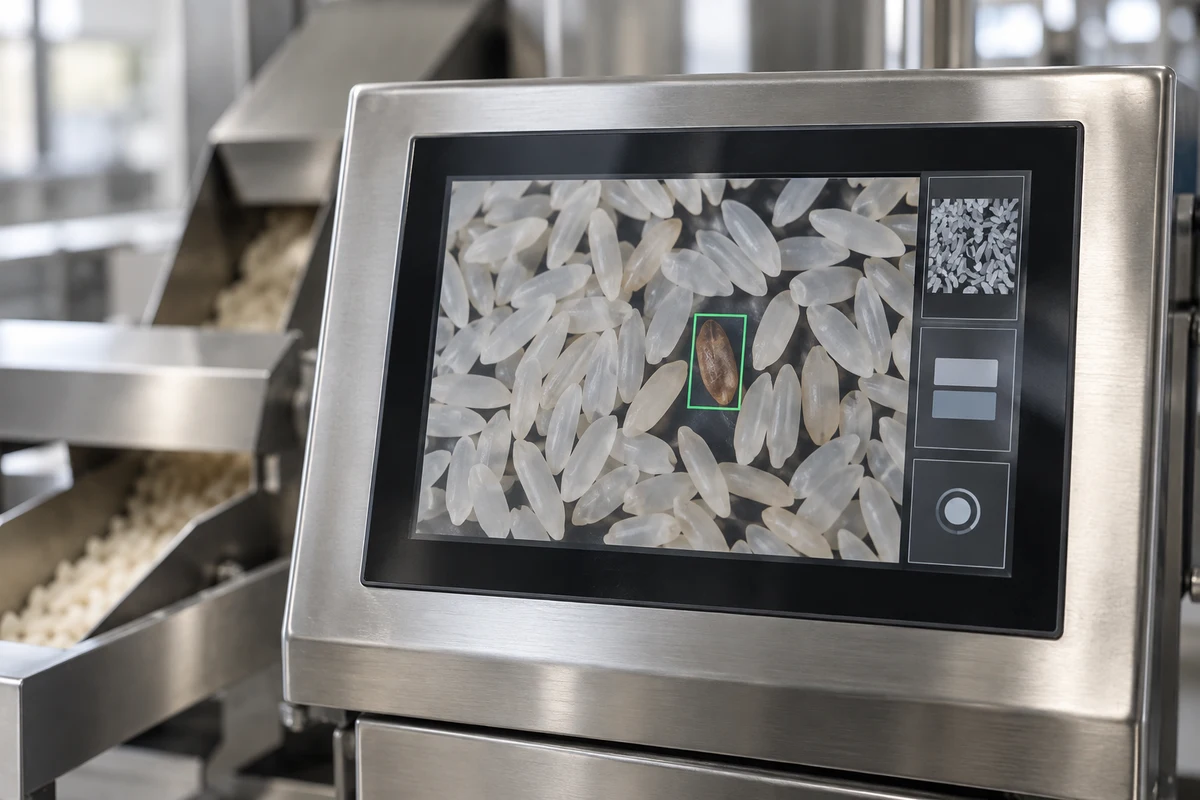
Cameras capture visible characteristics of the moving material. Inspection identifies differences in color and appearance that matter to your application.
Keep scrolling to connect the system
03 / INSIDE THE PROCESS
From a surface to a useful image.
The inspection system works with the lighting and material presentation. Representative samples help determine which visible differences the sorting setup needs to distinguish.
04 / THE SORTING DECISION
Your material.Your sorting criteria.
The control system evaluates the inspection against application settings. Operators configure the sorting conditions around the feed and the required quality of the accepted stream.
Keep scrolling to connect the system
04 / INSIDE THE PROCESS
Turn inspection into a decision.
Settings connect what the camera sees with what the system separates. Setup and operator training help align those decisions with your material and production goals.
05 / CONTROLLED EJECTION
A small action.A separate stream.
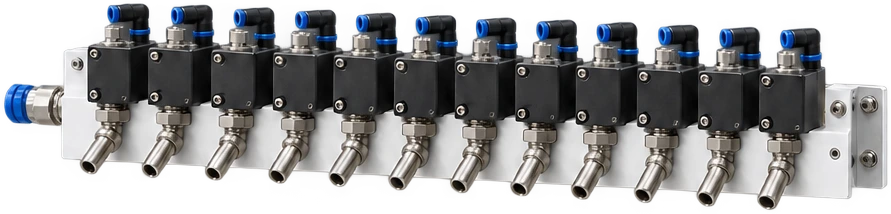
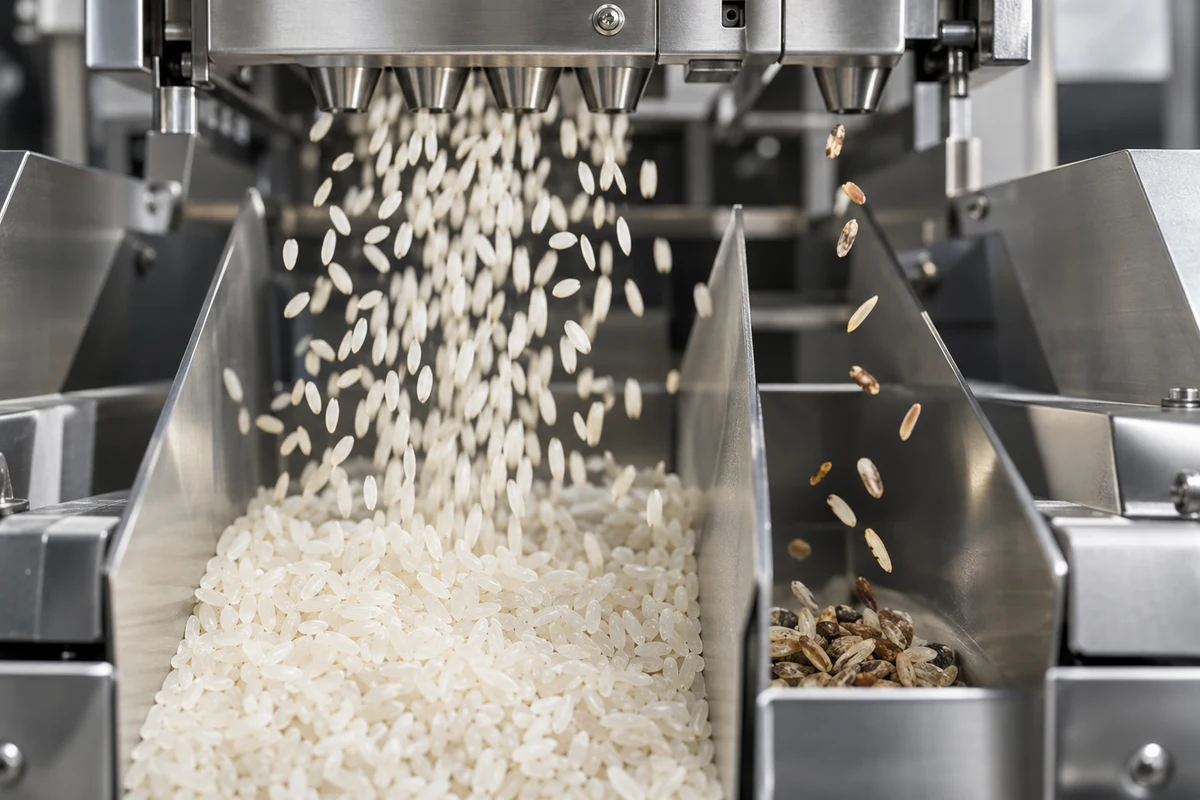
Timed pneumatic ejection directs selected material away from the accepted stream. The inspection, decision and ejection must act as a coordinated sequence.
Keep scrolling to connect the system
05 / INSIDE THE PROCESS
Act on the selected material.
The ejection system responds to the sorting decision as material reaches the separation point. Air supply and operating conditions form part of the installation discussion.
06 / TWO DISTINCT PATHS
Keep the good.Separate the rest.
Accepted and selected material leave the sorting path through separate outlets. The handling arrangement connects these streams with the next step in your production process.
Keep scrolling to connect the system
06 / INSIDE THE PROCESS
A clear result at the outlet.
The machine layout and downstream handling need to suit the material. Assess the sorted streams during a representative trial to understand the result for your application.
07 / THE SYSTEM BEHIND THE SORT
Every detail.Working together.
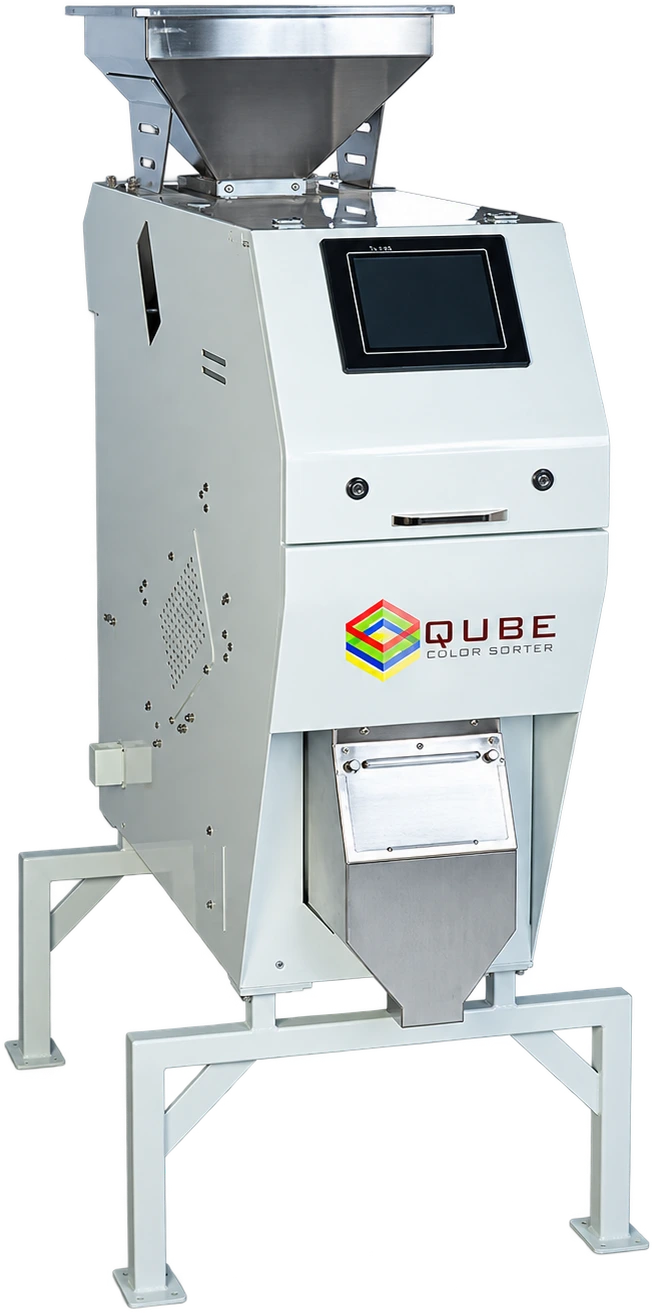
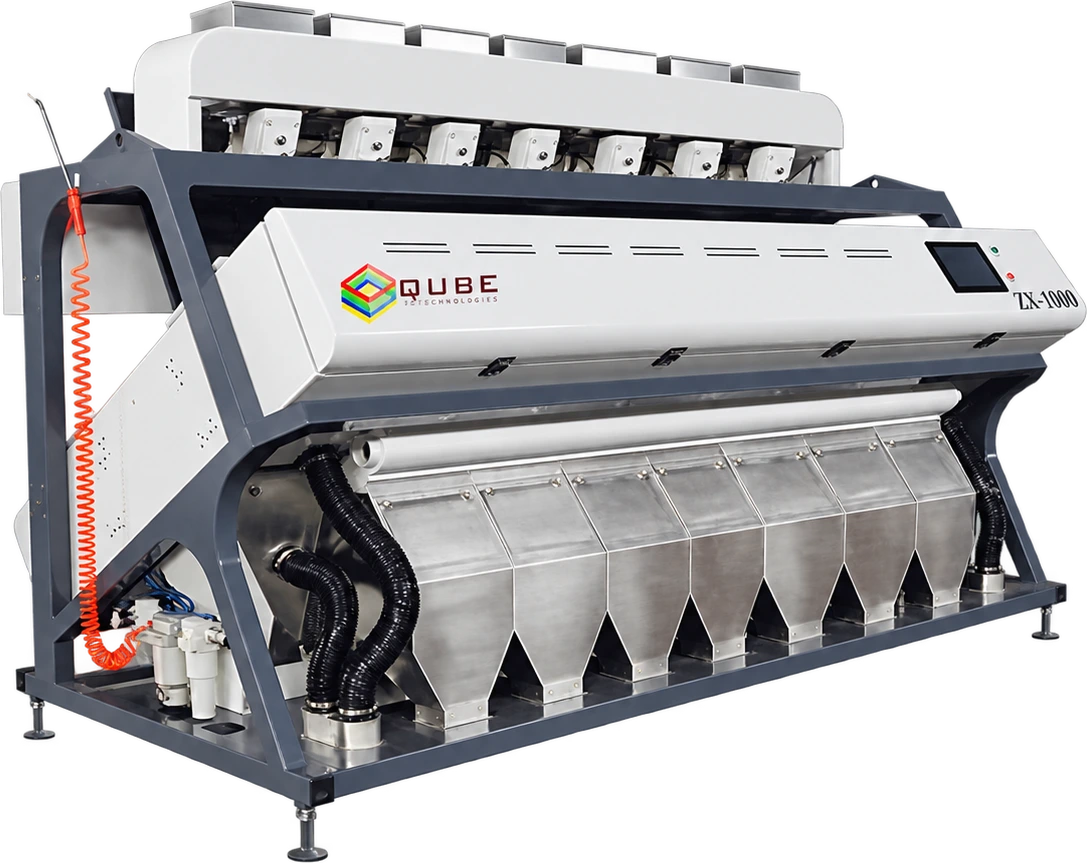
Handling, lighting, imaging, settings and separation form one sorting process. The right configuration begins with an understanding of your material and a representative trial.
Explore the QUBE machine range with our team. Discuss the feed, required output, installation, training and support that suit your production line.
OPTICAL SORTING CORE
FOLLOW THE FIVE SEEDS
12345
At the feed
Illustrative journey: five seeds enter the sorter; four continue to the accepted outlet and one is diverted to the rejection outlet.
01Feed hopper
02Guided chute
03Optical inspection
04Ejection manifold
05Material outlets
EXPLODED VIEWIllustrative system architecture
SCROLL TO ASSEMBLE
00%
A CLOSER LOOK
The thinking behind every part.
One process, with details that matter at every stage. Explore the principles behind the sorting path.
01 / FEED
MATERIAL HANDLING
Give every item a clear path.
Feed rate, material size and handling conditions influence how material reaches the inspection area. The chute guides that movement through the machine.
02 / LIGHT
THE INSPECTION ENVIRONMENT
Consistency begins with the view.
Illumination helps the camera distinguish visible surface characteristics. Lighting arrangements and inspection options depend on the selected machine configuration.
03 / INSPECT
CAMERA-BASED INSPECTION
From a surface to a useful image.
The inspection system works with the lighting and material presentation. Representative samples help determine which visible differences the sorting setup needs to distinguish.
04 / DECIDE
THE SORTING DECISION
Turn inspection into a decision.
Settings connect what the camera sees with what the system separates. Setup and operator training help align those decisions with your material and production goals.
05 / SEPARATE
CONTROLLED EJECTION
Act on the selected material.
The ejection system responds to the sorting decision as material reaches the separation point. Air supply and operating conditions form part of the installation discussion.
06 / COLLECT
TWO DISTINCT PATHS
A clear result at the outlet.
The machine layout and downstream handling need to suit the material. Assess the sorted streams during a representative trial to understand the result for your application.
FROM THE SYSTEM TO YOUR PRODUCTION LINE
The right technology. For your material.
The camera, handling and control options depend on the model and configuration. Start with your feed, quality requirements and a representative sample.